Architectural Window Film for Modern Commercial Buildings: Energy-Efficient Design & Benefits
Architectural Window Film for Modern Commercial Buildings: Energy-Efficient Design & Benefits
When you think about modern commercial buildings, glass windows usually come to mind right away, but what if those windows could do more than just let light in? Architectural window film is an easy way to improve a building’s energy use, comfort, and look, all at once. By adding a thin, nearly invisible layer to existing glass, these films help control heat, reduce glare, and protect interiors from UV damage without blocking the view. It’s a smart upgrade that many building owners don’t realize they’re missing out on until they experience the difference themselves.
Architectural window film for modern commercial buildings enhances energy efficiency by reducing heat gain in summer and retaining warmth in winter, leading to significant cost savings on utility bills. Additionally, these films offer improved privacy and security while delivering a sleek, modern aesthetic with various tint options that reduce glare and block over 99% of harmful UV rays, protecting occupants and interior furnishings.
Advantages of Architectural Window Film
One of the most compelling reasons commercial property owners choose architectural window films is energy efficiency. These films use advanced metallized layers to reflect up to 79% of solar heat before it enters the building, which directly translates into lower cooling costs during hot months. Imagine the relief in summer when your air conditioning system isn’t working overtime chasing away heat pouring through large glass façades.
But their value doesn’t stop there; during colder seasons, these films help trap interior warmth, reducing heating expenses by minimizing thermal loss through windows.
Studies show energy savings typically range from 10% to 30% annually on HVAC bills, depending on factors like climate and building orientation. This means that for many businesses, the initial investment in film installation pays off quickly, usually within 2 to 4 years, thanks to lower utility expenses. This makes architectural films not only an eco-friendly choice but also a smart financial decision.
Beyond energy savings, these films significantly improves comfort by smoothing out temperature fluctuations caused by direct sunlight streaming onto workspaces or common areas. The familiar discomfort of hot spots near large windows fades away, replaced by a steady, pleasant temperature throughout rooms.
What’s more, the glare-reducing properties alleviate eye strain on employees staring at screens all day long. This seemingly subtle change can boost morale and productivity, two metrics every business cares about.
While comfort deals with how occupants feel inside the building, architectural window films also transform how the building looks from both outside and inside.
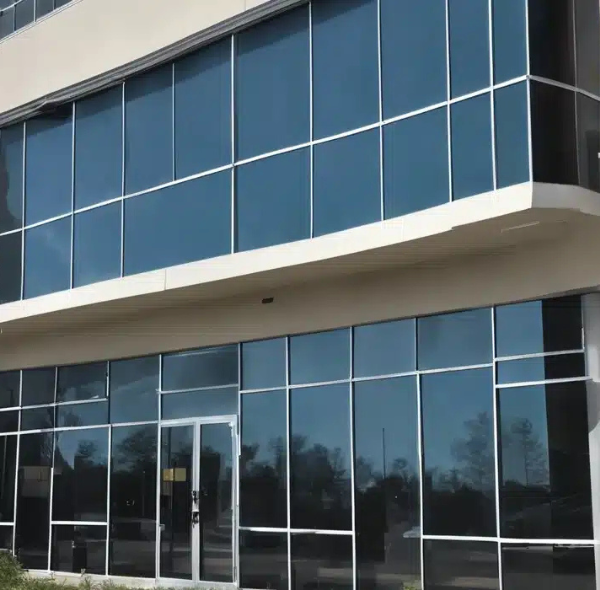
Aesthetically, these films come in multiple tint shades like blue, green, and gold, each designed to complement the sleek modern lines of commercial architecture without compromising visibility. They give façades a polished, sophisticated look that uplifts curb appeal and reflects well on a company’s image.
The metallic sheen adds depth and texture, making buildings stand out while coordinating seamlessly with other design elements.
Another visual advantage lies in enhanced privacy without sacrificing natural light. Films can obscure interiors from prying eyes during daylight hours while keeping spaces bright and inviting, a balance difficult to achieve with traditional blinds or curtains.
Additionally, blocking over 99% of harmful UV rays protects occupants’ skin health while preventing furnishings, such as wood floors, rugs, and artwork, from fading prematurely due to sun exposure.
“The combination of aesthetics, comfort, energy efficiency, and long-term durability means architectural window films often represent one of the best investments a commercial property can make.”
When considering improvements to your commercial building’s envelope, you’ll find that quality architectural window films installed by professionals at Tint Genius in McDonough provide comprehensive benefits, from energy savings to security upgrades, all wrapped in a sleek visual package tailored to your needs.
Having examined the multifaceted advantages of these films, it’s natural to explore how they further elevate a building’s outward appearance and design impact.
Enhancing Building Aesthetics
Architectural window films offer an impressive palette of colors and finishes that can turn even the most conventional commercial building into a striking landmark. Whether it’s the icy shimmer of blue, the tranquil depth of green, or the warm glow of gold, these films create a distinctive exterior that speaks to modern design sensibilities.
This isn’t just about color, it’s about crafting an identity. For businesses eager to make a memorable first impression, applying colored metallized films can elevate their façade in ways traditional materials often cannot.
The design flexibility doesn’t stop at color. Films come in various finishes, reflective, matte, frosted, that allow architects and building owners to tailor appearances precisely to their vision.
Reflective metallic coatings bounce sunlight away, creating a sleek, almost mirrored surface that lends a sense of sophistication and privacy without sacrificing visibility from inside. Matte or frosted finishes soften the glare and add texture, transforming glass surfaces with subtle elegance. This adaptability is why architectural window films have become favorites among designers looking to add both style and function.
What truly makes these films invaluable is how they blend aesthetic upgrades with long-lasting durability.
If you’re considering enhancing your building’s appearance, think beyond just choosing a tint shade.
Evaluate how different finishes interact with natural light throughout the day or how they complement your existing architectural elements like stonework or metal panels. Collaborating with professionals, such as the experienced team at Tint Genius in McDonough, GA, can help you select and customize films that not only meet energy and security needs but also perfectly match your brand’s image.
Navigating these choices thoughtfully brings us closer to understanding why installation expertise matters just as much as film quality itself.
With the visual transformation well underway, maintaining that stunning look requires an equally careful approach to installation and ongoing care, a topic we’ll explore next.
Installation and Maintenance
The first step to enjoying all the advantages that architectural window films offer is to ensure they are installed correctly. While it might be tempting to try a DIY approach, professional installation is indispensable when it comes to securing a flawless finish and long-term success.
Certified installers at Tint Genius bring experience that guarantees every inch of film adheres smoothly, without bubbles, wrinkles, or misalignment that could compromise both appearance and performance. This expertise avoids common pitfalls such as improper surface preparation, a chief cause of failures where dust or oils interfere with strong adhesion. A thorough cleaning using a water-and-isopropyl alcohol mix sets the stage, and controlling the temperature during application (usually between 50°F and 90°F) ensures the adhesive bonds effectively.
Once expertly applied, these films don’t just cling to glass; they transform it. However, their benefits depend heavily on regular maintenance. Cleaning your window films isn’t complicated but requires care. Avoid ammonia-based cleaners that can deteriorate the film’s protective layers; instead, choose mild detergents and soft cloths.
Proper upkeep every three to six months not only preserves optical clarity but also extends the life of the film by preventing aluminum or metallic coatings from corroding beneath grime buildup. Since most films come with a 10 to 12-year warranty covering peeling, bubbling, or discoloration, sticking to a maintenance routine means your investment stays protected.
It’s also wise to schedule annual inspections with a window film specialist who can assess for any emerging issues, small bubbles starting to form or edges lifting, that could require prompt repair before developing into costly problems.
This regular checkup complements your cleaning efforts and ensures consistent energy savings and glare reduction year after year.
Installing architectural window film properly, coupled with simple yet consistent maintenance practices, maximizes your building’s energy efficiency, aesthetic appeal, and longevity.
Beyond installation and care, choosing from the various available films suited for your specific building needs is crucial in achieving optimal performance over time. Understanding these options will clarify how each type addresses particular challenges in commercial design.
Types of Window Films
Architectural window films come in several types, each tailored to solve particular challenges like heat gain, glare, security, or aesthetics. The most common category you’ll encounter is solar control films. These are designed to reflect or absorb a significant portion of the sun’s heat before it enters your building.
By doing so, they help maintain cooler indoor temperatures during hot months, cutting down reliance on air conditioning. This reduction in cooling load isn’t just good for comfort, it substantially lowers energy bills, often by as much as 10 to 30 percent depending on climate and building specifics. Along with heat reduction, these films improve visual comfort by reducing glare up to 80%, making workspaces more pleasant and less tiring for employees who spend hours staring at screens.
But solar control films are not all alike. Some offer a darker tint, which enhances privacy without sacrificing outside views, while others come in reflective metallic finishes that lend a modern architectural flair.
Beyond managing heat and glare, another critical concern in commercial environments is safety, and that’s where safety and security films come into play.
Security window films act like invisible shields on your glass surfaces. Their primary job is to hold shattered glass fragments together if the pane breaks, vastly reducing risks from impacts caused by accidents, attempted break-ins, or even natural forces like storms. Buildings equipped with these films face lower incidents of injury and property damage since broken glass remains intact rather than creating hazardous shards. For example, retail stores fitted with such protective layers have thwarted burglary attempts with minimal glass damage, a testament to their resilience.
These films are typically thicker than other types, ranging from about 100 to 400 microns, and block virtually 99% of harmful UV rays, preserving interior furnishings just as well as solar control films. Importantly, the clarity of modern security films means they don’t detract from natural light or aesthetics, which is crucial when maintaining a sleek commercial design.
While solar control and security films cover the essentials of energy savings and protection, there are also specialized options that further enhance workspace comfort and style.
Low-E (low emissivity) films provide another layer of temperature regulation by reflecting infrared heat back outside during summer and retaining internal warmth during winter. This balanced approach achieves energy savings year-round by reducing heating loss up to 25%. They tend to be lighter tints or nearly clear variants, ideal when maintaining natural daylight without noticeable color shifts.
Next are decorative window films, which combine functionality with artistry. These can include frosted patterns or etched designs that add privacy and style without permanent changes to your glass fixtures. Although their energy impact might be secondary, they still block UV rays effectively and allow customization that complements corporate branding or interior themes.
Lastly, anti-glare and heat-reflective films address specific discomforts: one minimizes harsh reflections on monitors with matte finishes while the other maximizes cooling efficiency via reflective coatings, both important considerations based on geographic location and building orientation.
Energy Efficiency and UV Protection
Architectural window films do more than just add style; they serve as a powerful line of defense against the sun’s intense heat and harmful ultraviolet rays. Imagine your commercial building as a finely tuned machine; every component matters, including the windows. Without proper glazing solutions, sunlight streams in unchecked, warming interior spaces unevenly, driving up cooling needs and leaving occupants uncomfortable. This is where energy-efficient window films step in.
These films dramatically reduce solar heat gain by reflecting or absorbing up to 79% of the sun’s thermal energy before it penetrates the glass.
What does that mean in practical terms?
Your HVAC systems work less hard during sweltering summer days because less heat leaks inside. According to studies from the Lawrence Berkeley National Laboratory, buildings treated with quality window films experience up to a 25% reduction in peak cooling demand. This not only leads to lower energy bills but also reduces wear and tear on mechanical equipment, extending its useful life.
Think of it like shading a greenhouse: without it, the temperature inside soars quickly. Window films act as that strategic shade, balancing natural daylight with heat control thanks to their selective filtering properties.
Their visible light transmission (VLT) ranges broadly, from about 15% for darker tints to 70% for lighter shades, offering designers flexibility to maintain inviting interiors without sacrificing comfort or energy savings.
On top of controlling temperature, an equally crucial benefit lies in blocking ultraviolet radiation, often invisible but highly damaging over time.
UV Protection
Sunlight carries about 5% ultraviolet rays, which are responsible for fading fabrics, rugs, artworks, and even wood flooring inside your building.
More importantly, prolonged UV exposure poses real health risks for occupants, increasing chances of skin damage and eye strain.
That’s why architectural window films include technology that blocks 99% or more of harmful UV rays.
By installing such films on your commercial windows, you effectively place a protective shield over your interiors, preserving colors, materials, and finishings so they don’t prematurely degrade or require costly replacement.
This preservation translates into smoother business operations with less disruption for refurbishment while maintaining aesthetics that impress clients and staff alike.
For business owners concerned with occupant wellness and asset longevity alike, making UV protection a priority via architectural window film installation is simply smart stewardship. It safeguards people while adding genuine value to commercial properties.
Equipped with this insight into energy efficiency and UV defense capabilities, it becomes clear how window film solutions offer more than mere functionality; they are shaping the future of sustainable design. Next, we explore emerging patterns reshaping this industry landscape and innovations pushing the boundaries of what these films can achieve.
Upgrading your commercial property with architectural window film is one of the most effective ways to improve energy efficiency, reduce glare, and protect your interior from UV damage. For businesses in McDonough, GA, professional commercial window tinting offers long-term savings, enhanced comfort, and a modern, polished look. Whether you’re looking to lower energy costs or improve your building’s appearance, Tint Genius provides expert window film installation tailored to your needs. Contact Tint Genius today for a consultation and discover the benefits of high-performance window tinting in McDonough, GA.