Car’s Resale Value: How Paint Protection Film Can Protect Your Investment
Car’s Resale Value: How Paint Protection Film Can Protect Your Investment
When it comes to our cars, we all want them to look great for as long as possible. After all, a shiny vehicle not only feels nice to drive, but it can also make a big difference if you ever decide to sell it. But what if I told you that investing in something as simple as Paint Protection Film (PPF) could really pay off down the line? By acting like a shield for your car’s exterior, PPF does more than just guard against scratches and scrapes; it helps keep your car looking new, which can actually boost its resale value. Let’s dive into why adding this layer of protection is a smart move for any car owner looking to protect their investment.
The role of paint protection film (PPF) can enhance a car’s resale value by safeguarding the paint from scratches, chips, and environmental damage, which keeps the vehicle looking newer for longer. However, it’s important to weigh the initial investment in PPF against potential resale returns, as regular maintenance and reapplication might be necessary to maximize its long-term benefits.
Influence of Paint Protection on Resale Metrics
When you think about selling your car down the road, every little detail matters, especially how it looks when potential buyers take that first impression. By applying paint protection film, you’re essentially investing in the car’s future value. PPF serves as an invisible shield that guards against scratches, UV rays, and environmental hazards that could mar the surface over time. This not only preserves the original paint but ensures that your vehicle maintains its luster long after leaving the dealership.
According to recent studies, vehicles equipped with PPF can see an increase in resale value of approximately 5% simply due to their superior exterior condition. Imagine how that translates for a vehicle initially valued at $20,000; an additional $1,000 in potential resale value simply from having PPF installed! Buyers are often attracted to vehicles that showcase care and protection, translating into heightened confidence during negotiations.
In essence, owning a well-protected vehicle tells potential buyers that you’ve been diligent about maintenance and care, which creates a positive perception of the vehicle overall.
The ability of PPF to act as a barrier extends beyond minor surface protection—it’s about safeguarding your investment against significant depreciation. Think about it: A car’s finish is one of the first aspects inspected during a sale. If it’s dull or damaged, it raises red flags in buyers’ minds about how well other aspects of the car may have been cared for.
Furthermore, regular exposure to elements can lead to color fading and oxidation—conditions PPF helps mitigate. Modern formulations boast advanced UV resistance properties that defend against sunlight’s harsh effects while keeping your car’s appearance sharp and shiny.
An important point regarding resale metrics is that potential buyers are more willing to pay premiums for vehicles perceived as well-maintained. This means investing in PPF isn’t just about preserving your car’s initial beauty; it’s also about ensuring you get top dollar when it’s time to sell. Those looking for a used car often prefer vehicles that have been clearly cared for and protected; they want assurance that there won’t be hidden issues lurking beneath the surface.
Considering all these factors highlights how applying paint protection film goes beyond aesthetics—it’s key to securing maximum value for your vehicle down the road. Now let’s explore how this powerful protective measure enhances your driving experience and overall vehicle longevity.
Benefits of Paint Protection Film
Paint Protection Film (PPF) provides an impressive array of advantages that help maintain your vehicle’s performance and appearance. One of the most impactful benefits is its ability to offer physical protection. PPF acts as a robust shield against everyday hazards such as road debris, small stones, bird droppings, and minor scratches.
Imagine driving through a busy city or venturing off into nature; your vehicle is exposed to countless items that can damage its finish. The PPF ensures that even after those long drives or unexpected encounters with nature, your beloved car retains its original luster.
This protective layer not only keeps your vehicle looking great but also preserves the underlying paintwork, saving you from expensive touch-ups in the future.
To further demonstrate the worth of PPF, we must consider another significant benefit: chemical resistance.
Chemical Resistance
PPF is fortified with properties that resist various harmful substances that may come into contact with your car. Common culprits like tree sap, bird droppings, and bug splatter can be particularly damaging if left unattended. These materials can etch into the paint over time, leading to unsightly stains and potential long-term damage.
PPF serves as a barrier against these aggressors, ensuring that their corrosive effects are minimized. If you’ve ever faced the challenge of cleaning stubborn marks off your vehicle’s paint, you’ll appreciate how much easier it is when a protective film stands guard.
In fact, studies show that vehicles equipped with PPF have a 70% lower likelihood of displaying signs of wear and tear compared to those without it. This not only enhances the longevity of the paint but also makes routine maintenance simpler and less frustrating for car owners.
Beyond physical and chemical advantages, one should also consider how PPF enhances visual appeal and potentially increases resale value.
Aesthetic Appeal
PPF maintains your vehicle’s showroom shine while providing a transparent layer of protection. With advancements in technology, many modern films are designed to be virtually invisible once installed. This means you can enjoy peace of mind knowing your car is shielded without altering its aesthetic appeal. Many owners find themselves getting compliments about how well-maintained their vehicles appear; this can positively influence potential buyers during resale.
Investing in PPF not only safeguards your vehicle—it enhances its attractiveness to others and fortifies its value in a competitive market. While the costs associated with installation may seem considerable upfront, they pale in comparison to the long-term savings related to paint maintenance and potential resale value increases—proving that protecting your investment brings lasting rewards.
Equipped with this information about PPF’s benefits, it’s clear that caring for your vehicle means considering more than just looks; it’s about making strategic decisions that boost both aesthetic appeal and investment protection.
Enhancing Visual Appeal with PPF
A well-maintained vehicle often exudes an aura of pride and care, and this is precisely where Paint Protection Film (PPF) shines brightest. When you invest in PPF, you’re not just shielding your car from scratches and environmental damage; you’re also elevating its beauty to a level that catches the eye of potential buyers. This means that maintaining a vehicle with PPF can significantly increase its aesthetic charm, making it look newer for longer.
Imagine pulling into a driveway or a parking lot and having heads turn as your sparkling car captures attention. According to customer testimonials on our website, many appreciate how PPF maintains that glossy, showroom-like finish even years after installation. It serves not only as a protective barrier but also as a brilliant enhancer of the car’s paintwork, allowing the vibrant colors to truly pop.
The film is virtually invisible, meaning it won’t alter the car’s original look; instead, it works to enhance it, ensuring that the true beauty of your vehicle remains intact.
But let’s explore how these enhancements are achieved and the range of options available today.
With technological advancements in the industry, we now have diverse PPF options that cater to all tastes and preferences. There are high-gloss finishes that provide that classic shiny appearance most people seek when purchasing a car. However, some may prefer a more sophisticated matte finish that gives a contemporary edge. And for those who seek something unique, color-changing films can dramatically transform your vehicle’s appearance while still ensuring optimal protection.
Here are just a few examples highlighting what PPF can offer:
- High-Gloss Films: These provide a reflective surface that showcases your car’s paint in full glory.
- Matte Films: They offer a unique aesthetic that appeals to those wanting a subtle yet stunning look.
- Color-Changing Films: This technology allows owners to switch up their style without needing a full repaint.
It becomes clear that Paint Protection Film doesn’t just serve as armor for your vehicle; it plays an instrumental role in enhancing your car’s overall appearance. Keeping your investment looking pristine is crucial not only for your enjoyment but also for potential resale value. As you maintain your car’s allure through regular upkeep with PPF, you’re engaging in smart financial planning for the future. A visually stunning vehicle tends not only to attract interest but also commands higher offers when it’s time to sell or trade in.
The relationship between visual appeal and financial strategy becomes increasingly relevant when assessing the broader implications of such investments. Let’s now examine how these factors align with the long-term financial considerations associated with protective measures like this one.
Long-Term Financial Impact of PPF
Many prospective buyers often question if the upfront cost of PPF, which can range from $500 to $2,000 depending on the coverage, truly justifies its long-term investment. A good paint protection film does far more than offer an aesthetically pleasing look; it actively contributes to your vehicle’s longevity and resale value. One notable advantage is that cars equipped with PPF frequently sell for an impressive $300 to $1,000 more compared to those without it, essentially providing a return on investment right at the point of purchase.
Financial Breakdown
| Details | With PPF | Without PPF |
| Installation Cost | $500-$2,000 | $0 |
| Resale Increase | $300-$1,000 | $0 |
| Repair Costs Over 5 Years | Minimal | $200-$800 |
In this table, we can see the stark contrast between owning a car with PPF and one without. Yes, there’s an installation fee upfront; however, you offset that against minimal repair costs associated with maintaining the look and integrity of your vehicle’s paint job over the years. Having PPF helps safeguard against chips, scratches, and fading due to environmental factors such as UV rays or acid rain.
As illustrated in this breakdown, while there is a significant initial cost for installing PPF, the long-term savings and enhanced resale value make it an advantageous financial decision. Over five years, vehicles without PPF typically face repair costs that can soar up to $800. Meanwhile, cars protected by PPF enjoy minimal repair expenses because they resist damage effectively.
Understanding these financial implications emphasizes why investing in protective solutions is essential for preserving value. Now, let’s explore effective ways to maximize the benefits and longevity of this valuable automotive enhancement.
Best Practices for Using Paint Protection Film
Professional Installation
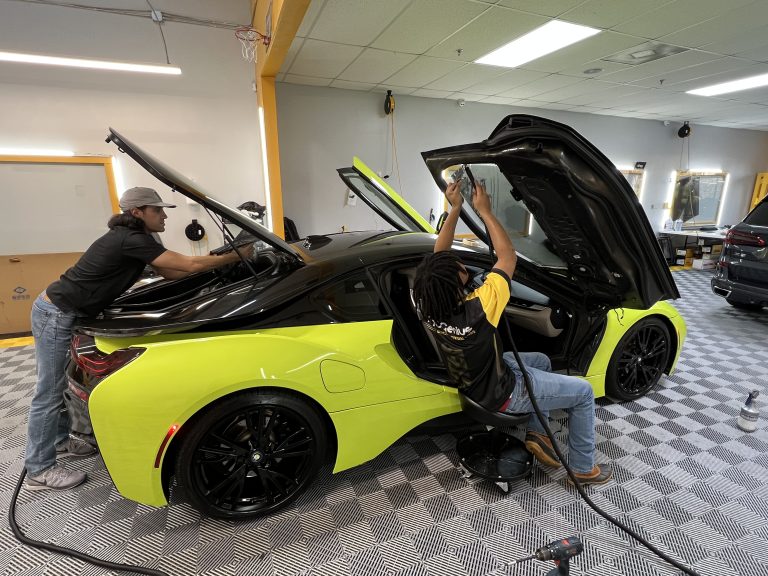
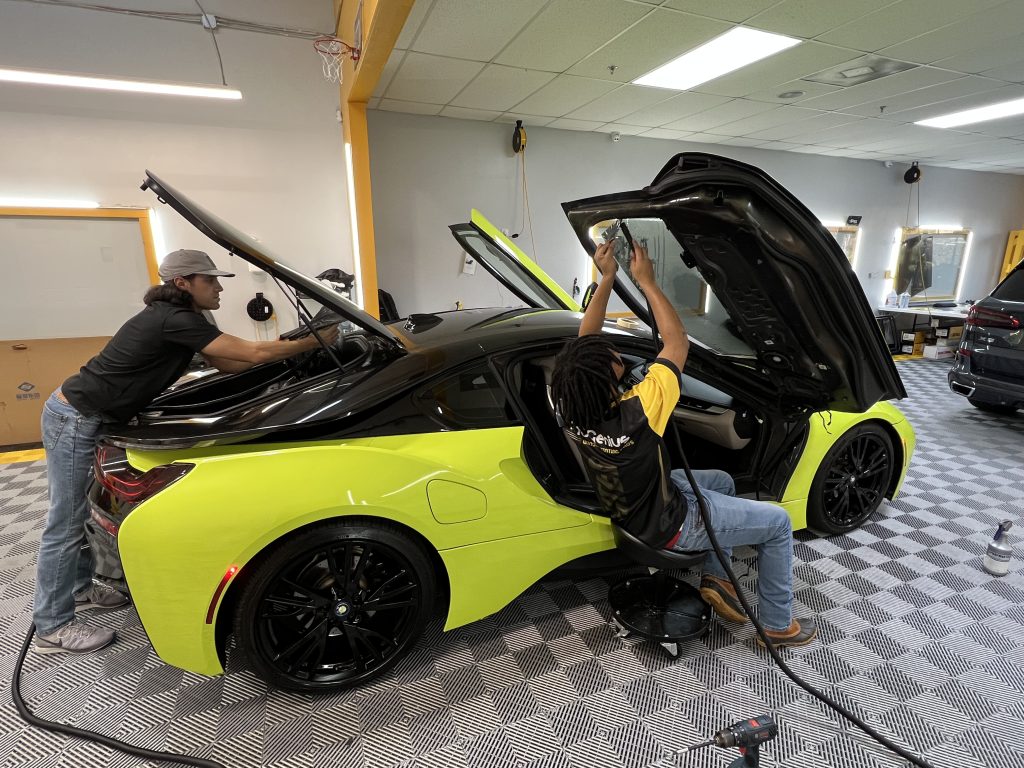
One of the most critical steps you can take to ensure your PPF performs as intended is to have it installed by professionals. Their expertise guarantees a precise fit, minimizing the risk of air bubbles or misalignments that might compromise protection. A skilled technician knows how to work with various vehicle shapes and surfaces, applying heat when necessary to mold the film around curves and edges.
Think of it like tailoring a suit; just as a fitted suit enhances your look, professional installation optimizes the film’s performance.
But installation is just the beginning; once the film is in place, maintaining it becomes equally crucial.
Regular Maintenance
With PPF on your vehicle, it’s essential to establish a routine maintenance schedule. Regular car washes help keep grime and dirt from accumulating and causing scratches. Ideally, washing your vehicle every two to four weeks will not only enhance its appearance but also prolong the life of the film.
It’s wise to use a mild soap solution and soft cloths to avoid using harsh chemicals that could degrade the film over time. Additionally, make sure you rinse thoroughly to ensure no soap residue lingers behind that might cause buildup.
Keeping an eye on wear and tear is just as important. Address any chips or scratches promptly—this not only maintains aesthetics but also ensures continuous protection underneath. You might be surprised at how minor repairs can save you from more extensive costs down the line.
Embracing these best practices transforms PPF into a long-term investment rather than just a temporary fix. The care you provide your vehicle directly influences not only its appearance but also its resale value, reinforcing the idea that taking these extra steps pays off significantly.
Now, let’s explore how this protective layer affects resale value compared to vehicles without it.
Comparing Resale Value with and without PPF
When it comes to reselling a vehicle, the condition of the paint plays a crucial role in determining its overall value. A car that looks well cared for not only attracts more potential buyers but also presents a strong case for a higher asking price. This is where PPF shines as an investment—by acting as a shield against unavoidable wear and tear, it helps maintain your car’s appeal. Research indicates that cars with PPF installed retain their value better over time, illustrating the financial benefits of this protective layer.
Studies show that vehicles equipped with PPF can enjoy significant advantages:
- Initial Value Retention: These vehicles demonstrate much lower depreciation rates than those without PPF. Imagine having a luxury sedan that depreciates less simply because its pristine surface tells buyers it has been well cared for.
- Buyer Appeal: Buyers are typically drawn to cars with clean, undamaged exteriors and are often more willing to pay a premium for them. A buyer might look at two similar models—one protected with PPF and one bare—immediately gravitating towards the former for its immaculate appearance.
- Reduced Repair Costs: With less risk of chips, scratches, or other exterior damage, sellers can avoid costly repairs before a sale, allowing them to list their car at a more favorable price.
One satisfied customer from our website once shared, “The slight upfront cost of the PPF more than paid for itself when I sold my car.” This speaks volumes about how wisely investing in PPF can enhance not just your ownership experience but also your return on investment when it’s time to let go.
It’s clear that these factors collectively highlight the tangible benefits of installing PPF for any car owner seeking to maximize resale value. As you consider maintaining your vehicle’s aesthetics and marketability, think about how investing in PPF today could set you up for greater financial gain down the road.
If you’re contemplating adding this protective layer to your vehicle, visit Tint Genius for professional services tailored to your needs. Call us at 678-609-6005 to start protecting your investment today!