PPF and Ceramic Coating: Is the Combo Worth the Investment for Your Car?
PPF and Ceramic Coating: Is the Combo Worth the Investment for Your Car?
When it comes to keeping your car in top shape, you may wonder if investing in both Paint Protection Film (PPF) and ceramic coating is truly worth it. After all, protecting your vehicle can seem like yet another added expense, especially when you’re already juggling maintenance costs. However, think about the time and money you could save by preventing scratches and maintaining that fresh-off-the-lot shine. Having gone through the process myself, I can attest to the remarkable difference a combination of PPF and ceramic coating makes—not just in how my car looks but also in how much easier it is to care for. If you’re ready to explore whether this dynamic duo is right for you, let’s break down what each treatment offers and why they work so well together.
Yes, investing in both Paint Protection Film (PPF) and ceramic coating can be worthwhile, as PPF offers excellent physical protection against scratches, rock chips, and environmental damage, while ceramic coating provides enhanced chemical protection that adds shine and hydrophobic qualities. Depending on your driving habits and the conditions your vehicle frequently encounters, combining these two treatments can significantly enhance your car’s overall appearance and durability.
Comparing PPF and Ceramic Coatings
Let’s start with Paint Protection Film (PPF). This durable armor acts like a shield for your car’s exterior, made from thermoplastic urethane film that’s tough enough to withstand the trials of daily driving. Research indicates that PPF can absorb impacts as much as 85% more effectively compared to conventional methods, which is significant when you put that against the average wear and tear most vehicles face.
Imagine driving on gravel roads or even just commuting in the city; every rock chip or scratch could detract from your car’s aesthetic, and that’s where PPF shines. By absorbing the impact of debris, it prevents potential damage to your paint, keeping your vehicle looking new for years to come.
A popular brand you might consider is XPEL; their self-healing technology allows minor scratches to vanish when exposed to heat, returning your car to its pristine state effortlessly. If you own a new or high-value car, this layer of protection is not just a nice-to-have—it’s essential.
While PPF provides excellent physical defense, ceramic coatings step in with a different kind of shield.
Speaking of ceramic coatings, this method involves applying a liquid polymer that binds chemically with your car’s paint surface, creating a protective layer that’s quite remarkable in its own right. Unlike PPF, ceramic coatings don’t guard against physical damage like hail or scratching; rather, they offer robust resistance against chemical stains and UV rays.
Being hydrophobic, they repel water and dirt, making washing your vehicle a breeze by reducing the frequency of detailing needed. You can think of ceramic coatings as an enhancement to your car’s aesthetic appeal, preserving that glossy shine even under the harshest conditions.
Additionally, many owners appreciate how ceramic coatings guard against pollution and sap from tree resins, which can be problematic over time. It’s this combination of beauty and practicality that makes ceramic coatings attractive to those who want their vehicles looking sharp yet protected from the elements.
When choosing between these two formidable protectants—or opting for both—consider exactly what you want for your vehicle.
The ideal scenario often emerges when drivers choose both PPF and ceramic coatings together. By doing so, you’re combining physical protection with chemical resistance, thus maximizing the life and appearance of your vehicle. For instance, the resilient layer of PPF keeps rock chips at bay while the ceramic coating adds a beautiful finish alongside ease of maintenance.
This combination may seem like an additional investment upfront but consider it an insurance policy for your vehicle’s exterior.
Regularly assessing your driving habits can also guide you in making the decision. If you frequently navigate through gritty environments or endure harsh weather conditions, investing in both treatments could save you considerable money in repairs down the road while ensuring that your ride remains aesthetically pleasing and functional for years to come.
Arming your vehicle with both treatments opens up a pathway toward unparalleled protection and aesthetics. We can now explore how these two solutions work hand-in-hand to elevate your car’s overall defense against environmental factors.
Benefits of Combining PPF and Ceramic Coatings
When you combine Paint Protection Film (PPF) with ceramic coatings, you’re not just getting two products—you’re creating a powerhouse that synergizes their strengths. Start with enhanced shielding: while PPF acts almost like a tangible barrier, protecting your car’s most susceptible areas from scratches, rock chips, and minor impacts, ceramic coatings elevate this protection to another level. They provide a hydrophobic surface that repels water and prevents dirt and contaminants from adhering to your vehicle’s exterior. This dual-layer approach transforms the car into a more resilient machine better equipped to withstand the rigors of daily driving.
Picture yourself navigating through rainy weather or muddy roads; with PPF safeguarding your paint and ceramic coating ensuring you can easily wipe away any grime, it’s as if you’re on an adventure without worrying about wear and tear.
Enhanced Shielding and Gloss
By strategically applying PPF to high-impact areas such as the front bumper, hood, and side mirrors, you effectively reinforce your vehicle where it needs it most. These parts often encounter road debris that can leave unsightly blemishes or deeper scratches. Meanwhile, applying a ceramic layer over the entire vehicle enhances its glossiness while making maintenance a breeze. Imagine pulling up to a gathering; your car stands out not just because of its shine but also because it has been preserved so perfectly against the elements.
Consider PPF as a suit of armor for your car—one meant to absorb impacts—while ceramic coating serves as an invisibility cloak that wards off dirt and grime.
Longevity and Low Maintenance
Research shows that vehicles protected by both PPF and ceramic coatings can indeed cut maintenance time significantly—up to 50%. You no longer have to labor over frequent washes or worry about whether those stubborn stains will settle in for good.
This combination doesn’t just deliver short-term aesthetics; it’s an investment in the longevity of your vehicle’s appearance as well as its resale value down the line.
Furthermore, when combined, these treatments can extend the lifespan of your paint protection, delaying the need for expensive touch-ups or repairs. Vehicles treated with both methods not only look stunning but also maintain their integrity longer—even under challenging conditions. Many users report experiencing fewer washing cycles due to the self-cleaning nature imparted by the ceramic coating.
Exploring these possibilities further may reveal how this protective duo aligns with overall financial considerations related to vehicle upkeep.
Investment
For the savvy car owner who understands that long-term savings matter more than immediate expenditure, this investment looks like a bargain. By significantly reducing wear and tear on your vehicle’s paintwork, you’ll likely experience fewer trips for detailing and touch-ups. Imagine skipping frequent visits to the body shop due to scratches or dings—over time, this could lead to thousands saved in repairs and boost your resale value.
Furthermore, think about how simple upkeep becomes when your car is protected with both PPF and ceramic coatings. Washing your vehicle often transforms into an easier chore. With these protective layers in place, dirt finds it harder to stick around. Water spots become less of an issue as well. This translates to fewer washes required compared to untreated surfaces—not only does this save you time but also money spent on cleaning products.
Investing in both PPF and ceramic coatings may seem pricey upfront, but the reduced need for frequent detailing and potential bodywork repairs can save you thousands over the vehicle’s life.
While it’s tempting to focus solely on what you will pay now, it’s equally important to weigh what you’ll save down the line. A higher initial expenditure with extremely low maintenance costs creates a winning scenario for vehicle owners looking to protect their investments effectively.
As you contemplate this powerful combination for your car, consider how best to implement these treatments for optimal results. Redefining your approach will ensure that you enjoy all the benefits they have to offer.
Installation Tips for Best Results
Proper installation is indeed critical to maximizing the benefits of Paint Protection Film (PPF) and ceramic coatings. With both products, the technique applied during installation can significantly influence their effectiveness and longevity. It’s not just about slapping a layer on; it’s a meticulous process that requires attention to detail and expertise.
Step I – Choose a Professional Installer
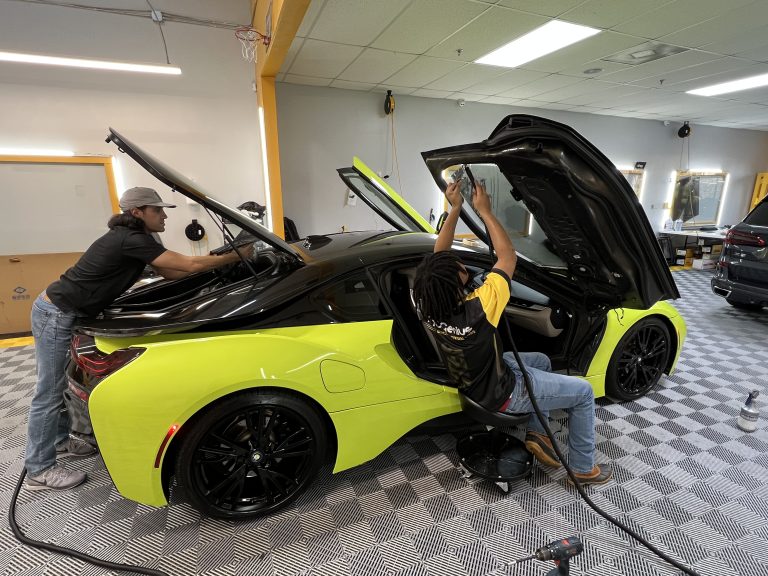
The first step in achieving great results starts with selecting the right installer. Opting for an expert is crucial because their skillset directly affects how well PPF and ceramic coatings adhere. When searching for a qualified professional, certifications from reputable brands like XPEL are invaluable indicators of quality. Customer reviews on platforms like Yelp or Google can also provide essential insights into their past work. For instance, Tint Genius is renowned for its certified technicians who excel at delivering quality installations that stand the test of time. In the world of PPF and ceramic coatings, experience matters; you want someone who has tackled various makes and models.
Step II – Preparation
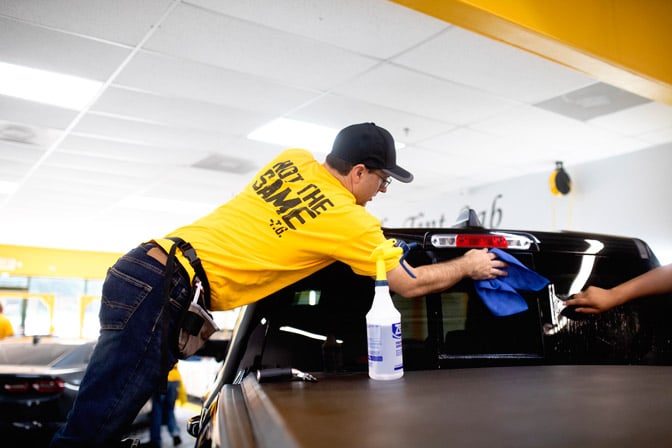
Once you’ve found your installer, preparation becomes the next focus point. A thorough cleaning and paint correction process should occur before installation begins. Think of this step as laying a solid foundation for a house; any dirt, dust, or swirl marks left on the surface will be sealed underneath the PPF or coating, which could lead to unsightly blemishes down the line. Make sure every inch of the car’s exterior is spotless by using clay bars to eliminate contaminants embedded in the paint. This ensures that when the films are applied, they adhere flawlessly without compromising aesthetic appeal.
Step III – Layering Process
After proper surface preparation, the installation process can begin with layering, which is where nuance comes into play. Start by applying PPF to high-impact areas—such as the hood, bumper, fenders, and side mirrors—where chips and scratches are more likely to occur. Allow the film to settle for at least 24 hours before moving on to the next step. By giving it this time, you ensure optimal bonding with the vehicle’s surface.
Once settled, layer on the ceramic coating over both the new PPF and other parts of your vehicle that didn’t receive film treatment. This approach works wonders because it creates a robust shield against environmental hazards while enhancing visual appeal with a superior shine. The sequence of applying PPF first, followed by ceramic coating, offers dual protection: physical durability from impacts and chemical resilience against dirt, grime, and UV rays.
Ultimately, investing time in ensuring each step is executed properly will pay dividends in maintaining your vehicle’s appearance over time.
With everything correctly layered and installed, you’re setting your vehicle up for success in terms of upkeep and aesthetics. Next, let’s assess whether this investment aligns with your specific needs and preferences.
Evaluating Your Needs: Is the Combo Worth It?
Not everyone requires both PPF (Paint Protection Film) and ceramic coatings, but certain scenarios make the combination indispensable. For instance, if your car is frequently driven on highways or if you own a luxury or sports car, these two protective measures work together in harmony to provide unparalleled defense against the elements. The added protection keeps your car looking pristine and significantly enhances its resale value. Many luxury vehicle owners swear by this duo as essential armor against everyday wear and tear.
Take, for example, someone like John, a daily commuter. After opting for both PPF and ceramic coating on his sleek sedan, he noticed minimal stone damage and found that his car remained clean and shiny despite the rigors of urban driving. This preventive move saved him from costly repairs down the line while ensuring that his car’s exterior maintained a showroom-like quality.
But let’s not overlook the impact that the seasons can have on your investment decisions regarding vehicle protection.
Seasonal Impact
Vehicles exposed to harsh weather conditions—think excessive snow, ice, or relentless sun—gain tremendous benefits from having both protections in place. While ceramic coatings work to repel water and ice due to their hydrophobic properties, it’s the PPF that acts as a shield against road salts and minor impacts. Road salts can be insidious; they slowly eat away at your vehicle’s finish during the winter months when you might think you’re safe from debris. With PPF wrapping around vulnerable areas like bumpers and hoods, your paint remains intact even under frequent exposure.
For those living in regions with drastic temperature changes or frequent rain, consider this: ceramic coatings help maintain the paint’s integrity by resisting UV rays and chemical stains while aiding in maintaining a clean appearance. Together they protect your investment from fading due to prolonged sun exposure or corrosion from freezing temperatures.
If you find yourself driving often on gravel roads or navigating through adverse weather frequently, investing in both PPF and ceramic coating could save you time, effort, and money down the road. Regular detailing combined with these protective methods offers a comprehensive solution to maintain and extend the life of your car’s exterior.
By assessing how you use your vehicle and understanding potential risks from environmental factors, you can make an informed decision about whether this duo provides real value for your specific needs. Exploring real-world experiences from car owners will shed more light on how effective this combination can be.
Investing in both PPF and ceramic coatings undeniably improves aesthetic appeal while reducing overall maintenance time—letting you fully appreciate your vehicle’s beauty without incessant worry over scratches or washes.
For tailored advice on enhancing your car’s longevity through PPF and ceramic coating, contact us at Tint Genius or call us at 678-609-6005 today!